Nonna recommends
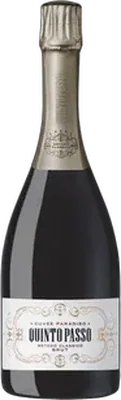
Quinto Passo Cuvée Paradiso
Cleto Chiarli, Emilia Romagna
Glass8bottle 32
The wine list
My list is a road in two stretches. The first stays on the Via Emilia: Lambrusco in all its voices, the Sangiovese di Romagna, the wines of the San Colombano hill, the vineyard of Milan. The second goes beyond, among the great labels of the rest of Italy.


In a few words
My wine list has 52 labels: 24 come from the Via Emilia, among them the Lambrusco of Grasparossa and Sorbara, the Sangiovese di Romagna and the hill of San Colombano, the other 28 from the rest of Italy. I serve eleven by the glass, and next to the dishes on the menu I write down the one that goes best.
By dish
These are the dishes and desserts on my menu with the recommended wine beside them. Tap yours.
With La Milanese col manico
Quinto Passo Cuvée Paradiso
Cleto Chiarli, Emilia Romagna
Traditional method: fine mousse, yellow fruit and a Mediterranean note. Elegant without being demanding.
Glass 8, bottle 32
By the glass
If you want just one glass, or to change wine between one dish and the next. 7 or 8 a glass.
Cleto Chiarli, Emilia Romagna
Cleto Chiarli, Emilia Romagna
Tenuta Santa Croce, Emilia Romagna
Tenuta Santa Croce, Emilia Romagna
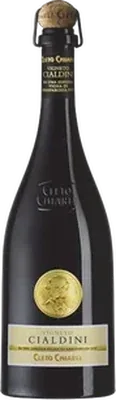
Cleto Chiarli, Emilia Romagna
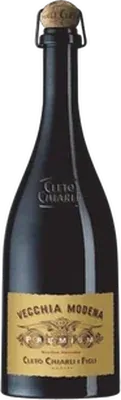
Cleto Chiarli, Emilia Romagna
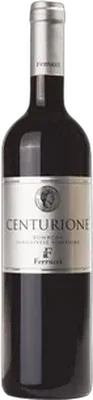
Stefano Ferrucci, Emilia Romagna
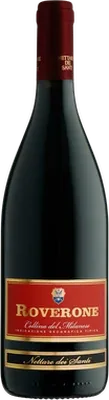
Nettare dei Santi, Collina del Milanese
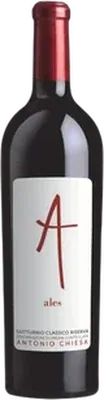
Antonio Chiesa, Emilia Romagna
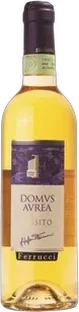
Stefano Ferrucci, Emilia Romagna
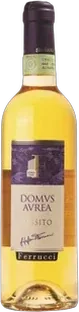
Nettare dei Santi, Collina del Milanese
Lambrusco
The house wine of the Via Emilia, in two families, Grasparossa and Sorbara, and four methods: Charmat, ancestral, traditional and refermented in the bottle.
3 labels
The intense character.
Full-bodied and deep, ruby red with notes of wild berries: the most structured Lambrusco, for those who want a decisive, authentic wine.
4 labels
The delicate soul.
Light and lively, pink and fresh: an explosion of flowers and red fruit, the grace and elegance of the Emilian land.
First stretch
Sparkling wines, whites, reds, half bottles and passiti of the road. You’ll find the Lambrusco above.
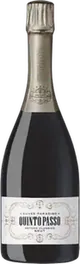
Cleto Chiarli, Emilia Romagna
Traditional method: fine mousse, yellow fruit and a Mediterranean note. Elegant without being demanding.
With La Milanese, cheeses and tortellini.
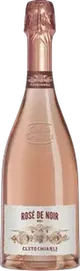
Cleto Chiarli, Emilia Romagna
Pinot Nero and Grasparossa: velvety and fruity. The convivial sparkler that even those who think they don’t like rosé enjoy.
With the Quartetto Scarpettoso, the cured-meat boards and the Orecchia.
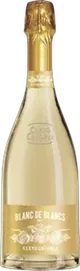
Cleto Chiarli, Emilia Romagna
Chardonnay and Pignoletto: a fresh, slender sparkler, white flowers and apple. The lightest, happiest way to begin.
For the aperitivo, gnocco fritto and tigelle.
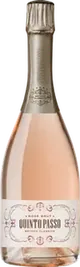
Cleto Chiarli, Emilia Romagna
Pure Sorbara, traditional method: sparkling pink, citrus and a fresh, sharp thrust.
For the aperitivo, with the Mondeghili and the boards.
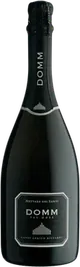
Nettare dei Santi, Collina del Milanese
Traditional method from the vineyard of Milan. Chardonnay and Pinot Nero, long ageing on the lees: dry, tense and savoury.
For the Milanese and substantial meat dishes.
Tenuta Santa Croce, Emilia Romagna
Grechetto (Pignoletto): soft, winey and reassuring. If you want a white and don’t know where to start, start here.
For the whole meal, with cured meats and Erbazzone.
Tenuta Santa Croce, Emilia Romagna
Albana
The native white of my land, warm, golden and pleasantly soft. The white soul of the Via Emilia.
For the whole meal, with cured meats and Erbazzone.
Stefano Ferrucci, Emilia Romagna
Sangiovese di Romagna: soft but rigorous, well made and very pleasant. If you don’t know what to choose, play it safe.
With the Tagliatelle 1955 and La Rosa di Parma.

Tenuta Mara, Emilia Romagna
Biodynamic Sangiovese: fragrance, fruit and clean energy. Natural and deep, Sangiovese as nature intended.
With the Tortellini, red meats and pecorino.
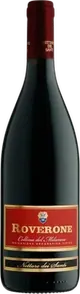
Nettare dei Santi, Collina del Milanese
Croatina, Barbera and Uva Rara from the hill: deep ruby, ripe red fruit, honest and juicy.
With the Risotto con l'Òss büs and La Milanese.
Antonio Chiesa, Emilia Romagna
Barbera and Croatina from the Colli Piacentini: rich, winey, intense and energetic. The honest red of the Via Emilia.
With La Rosa di Parma and the Filetto al Blu.
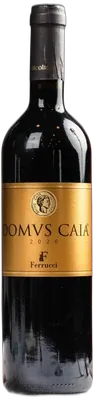
Stefano Ferrucci, Emilia Romagna
Sangiovese from slightly dried grapes: great structure, roundness and juice.
With substantial main courses and cheeses.

Stefano Ferrucci, Emilia Romagna
The best-loved Sangiovese Superiore: soft and pleasant, perfect with the whole meal, even for a table of two.
With the Tagliatelle 1955 and meats.
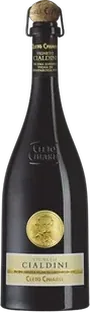
Cleto Chiarli, Emilia Romagna
My single-vineyard Grasparossa in a half bottle: all the character, in the right size for two.
At lunch too, with the tigelle and the cured meats.
Tenuta Santa Croce, Emilia Romagna
The house frizzante in a half bottle: fresh and easy, it keeps you company without being demanding.
For the whole meal, with fried food and cured meats.
Stefano Ferrucci, Emilia Romagna
Albana dried on racks: floral notes and an elegant, light sweetness. The passito of Romagna.
With cheeses, the Crostata and the Sbrisolona.
Nettare dei Santi, Collina del Milanese
Dried Verdea, the ancient grape of the vineyard of Milan: gold, dried apricot and acacia honey, sweet but balanced.
With homemade desserts and cheeses.
Second stretch
The great labels of the rest of Italy, chosen one by one to sit beside my dishes.
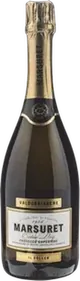
Marsuret, Veneto
Glera, Extra Dry from Valdobbiadene: vanilla, citrus and a silky sip. The easy toast that never goes wrong.
For the aperitivo, with fried food and starters.
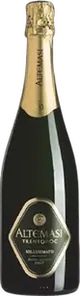
Altemasi, Trentino
Mountain Chardonnay: lively, tense and elegant. A thoroughbred traditional method sparkling wine from the Dolomites.
With homemade desserts and cheeses.
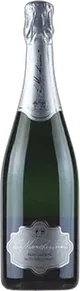
Le Marchesine, Lombardy, beyond the Via Emilia
Broad, velvety Satèn, creamy and fine. The prestigious Italian sparkler for when you celebrate.
With homemade desserts and cheeses.
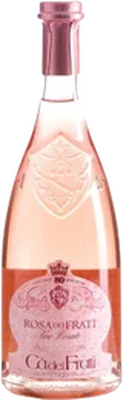
Ca' dei Frati, Lombardy, beyond the Via Emilia
Chiaretto del Garda: a fresh, still rosé with light notes of red fruit. Clean, versatile and gentle to drink.
With starters, light first courses and risotti.
Ca' dei Frati, Lombardy, beyond the Via Emilia
Turbiana del Garda: soft, round, with a sunny richness. The reassuring white that embraces you.
With Baccalà, risotti and fried dishes.
Cantina Tramin, Trentino
Aromatic and seductive: lychee, rose and sweet spices, kept in balance by a mineral structure. Fragrant.
With cheeses, spiced dishes and fried food.
Nativ, Campania
Falanghina Beneventana: fresh and mineral, lemon and flowers, a savoury, clean finish. The white that tastes of sea and sun.
With the Baccalà, fried dishes, Le Furbe and cheeses.
Cottanera, Sicily
Carricante from Etna: volcanic freshness, citrus and white flowers over a mineral veil. A different, fascinating white.
With the Risotto della Nonna and fresh cheeses.
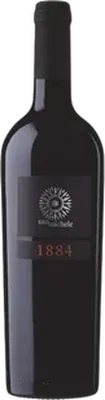
San Michele, Lombardy, beyond the Via Emilia
Marzemino, Sangiovese and Merlot: fragrant with blackcurrant and strawberry, intense and seductive. A red that surprises.
With La Milanese, main courses and first courses with ragù.
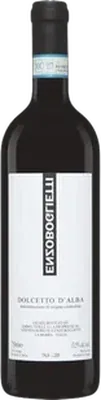
Boglietti, Piedmont
Fresh, fruity Dolcetto: black cherry and blackberry, lightly spiced. The easy, moreish red of Piedmont.
With cured meats, first courses and white meats.
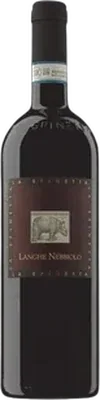
La Spinetta, Piedmont
Important Nebbiolo: rose, raspberry, polished tannins and good freshness. The grace of Nebbiolo, elegant and within reach.
With La Rosa di Parma and the Filetto al Blu.
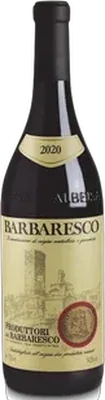
Produttori del Barbaresco, Piedmont
A classic between fruit and spice, deep and pleasant. The great Nebbiolo for special occasions.
With substantial main courses and great cheeses.
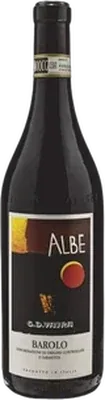
G.D. Vajra, Piedmont
Complex and fine: rose, liquorice and tobacco, long and spicy. The king of Italian reds, for the special evening.
With meats, braised meats and rich first courses.
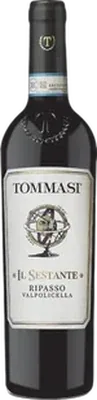
Tommasi, Veneto
The «little Amarone»: rich and fruity, plum and cherry, structure and a lingering finish. All the substance of the Veneto.
With tasty first courses, the Polpette and cheeses.
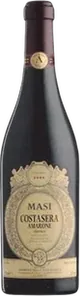
Masi, Veneto
Deep and opulent: cherry, dried fruit and chocolate. A wine of great charm, for a great occasion.
With braised meats, the Filetto al Blu and blue cheeses.
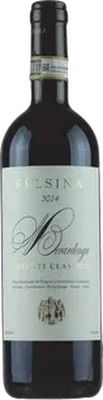
Fattoria di Fèlsina, Tuscany
Tuscan Sangiovese: ripe cherry and violet, rigorous and enveloping. A true Chianti, as it should be.
With La Milanese, the orecchie and first courses with ragù.
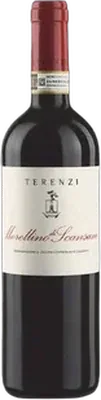
Terenzi, Tuscany
Sangiovese from the Maremma: lively, vivid and elegant, with a nice fresh push. A sunny red that flows.
With fresh pasta, cured meats and the Polpette.
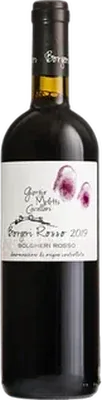
Maletti Cavallari, Tuscany
Bordeaux blend from the Tuscan coast: power, suggestion, dark fruit and class.
With sauced meats, the Orecchie and the Filetto.
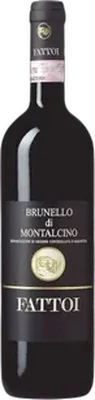
Fattoi, Tuscany
Noble and austere: cherry and leather. One of the great names of Italian wine, when dinner becomes a celebration.
With braised meats, the Orecchie and the great cheeses.
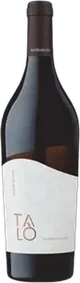
San Marzano, Apulia
Negroamaro from Apulia: blackberry and cherry, sweet spices and a velvety sip. The warm, soft red of the South, easy to love.
With meats, first courses with ragù and the Polpette.
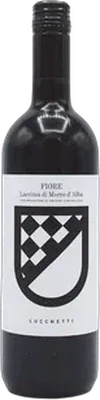
Lucchetti, Marche
Aromatic and distinctive: rose and violet on the nose, soft and spicy on the palate. Fragrant, for those looking for something different.
With cured meats, tasty first courses and cheeses.
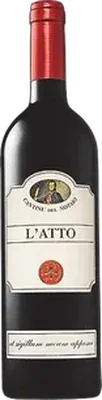
Cantine del Notaio, Basilicata
Volcanic Aglianico from Basilicata: lovely acidity and structure, dark fruit and character. The red of the South with a backbone.
With red meats, braised meats and cheeses.
Cottanera, Sicily
Nerello Mascalese from Etna: floral and fine, dense but not hard tannins. An important Sicilian. The different red to discover.
With my Via Emilia Orecchie di Elefante.
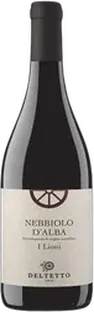
Deltetto, Piedmont
Nebbiolo in a half bottle: violet and red fruit, fresh with soft tannins. Piedmont in the right size for two.
With roasts and Sunday first courses.
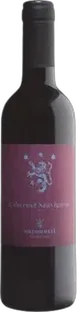
Antonutti, Friuli
Friulian Cabernet in a half bottle: blackcurrant and spice, a slightly grassy finish. The international, practical choice.
With red meats and the Orecchie Classiche.
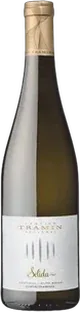
Cantina Tramin, Trentino
The aromatic one in a half bottle: lychee, rose and sweet spices. Perfumes for a table of two.
With cheeses, spiced dishes and fried food.
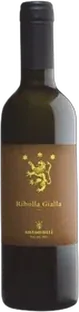
Antonutti, Friuli
Friulian Ribolla in a half bottle: green apple, white flowers and citrus, a lively finish. Freshness for two.
For the aperitivo, with cured meats and gnocco fritto.
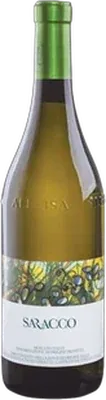
Saracco, Piedmont
Sweet, frizzante Moscato: peach, apricot and honey, light and refreshing. The easy dessert wine to close with a smile.
With the Crostata, fruit and dry pastries.
In my Percorsi
The first glass is on me.
The wineries
A few names and a few facts, with the guides and awards that matter.
Modena, since 1860
The Lambrusco «Vigneto Cialdini» 2023 has the Tre Bicchieri from Gambero Rosso in the Vini d’Italia 2025 guide. The Vecchia Modena Premium 2025 won gold at the CSWWC 2025.
Sorbara, since 1926
The Lambrusco di Sorbara «Radice», refermented in the bottle: Tre Bicchieri from Gambero Rosso in 2013 and Top Wine from Slow Wine from 2019 to 2022.
San Colombano al Lambro
The hill with the only DOC in the provinces of Milan and Lodi. From there come the Domm Pas Dosé, the Roverone and the Solitaire, a Verdea passito.
Castel Bolognese, since 1932
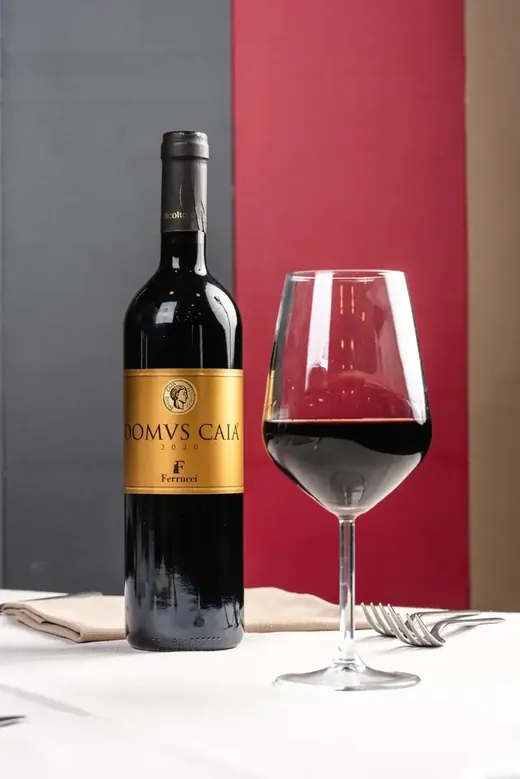
The Sangiovese Superiore «Centurione», the «Domus Caia» and the Domus Aurea, an Albana passito. The Centurione is the wine my guests choose most. From Tenuta Santa Croce, the same family, come the Pignoletto «L’ora mossa» and the Albana «Alei».
San Clemente, Rimini hills
The Guiry, biodynamic Sangiovese: fragrance, fruit and clean energy.
The menus
The wine list in PDF, the beers and the menu.
Questions
52 labels. 24 come from the Via Emilia, among Emilia, Romagna and the San Colombano hill; the other 28 come from the rest of Italy.
Eleven, at 7 or 8 a glass: Quinto Passo Cuvée Paradiso; Rosé Brut de Noirs; L'ora mossa (Pignoletto Frizzante); Alei (Albana di Romagna); Lambrusco «Vigneto Cialdini»; Vecchia Modena Premium; Sangiovese Superiore «Centurione»; Roverone Collina del Milanese; Gutturnio Classico Riserva «Ales»; Domus Aurea; Solitaire.
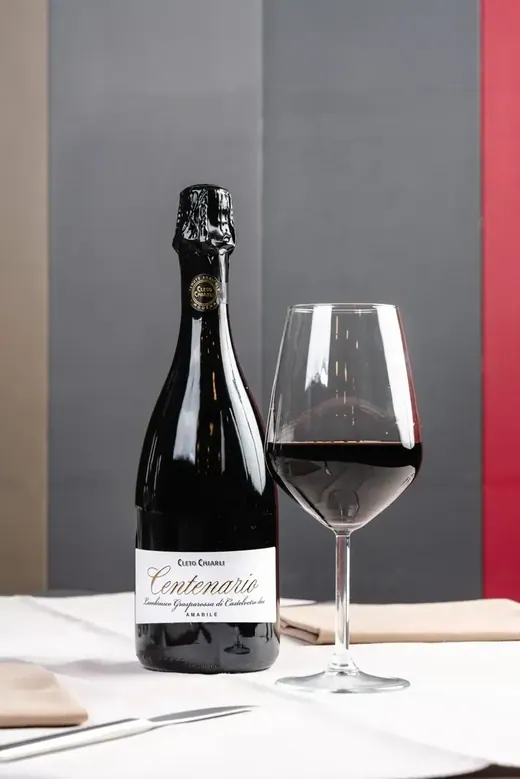
Choose the Grasparossa if you want body and a decisive red, the Sorbara if you want it light, pink and fresh. If you like a soft, sweet sip, there is the Amabile «Centenario».
Yes, 7, from 19 to 22: the Sangiovese «Centurione», the Lambrusco «Vigneto Cialdini» and the Pignoletto «L’ora mossa» of the Via Emilia, and four from the rest of Italy.
The Sangiovese Superiore «Centurione» by Stefano Ferrucci: over the last year it is the most ordered wine on my list, by the bottle, the half bottle and the glass.
Yes, the wines contain sulphites. If you have an allergy, mention it in the intolerances question on the form when you book and remind the waiter before ordering.
At Nonna Emilia, the Via Emilia Restaurant in San Donato Milanese, the wine list has 52 labels: 24 from the Via Emilia (among them 7 Lambruschi, Grasparossa and Sorbara, the Sangiovese di Romagna and the wines of San Colombano) and 28 from the rest of Italy. Eleven are also served by the glass, at 7 or 8; bottles start from 25, half bottles from 19. Next to the dishes on the menu there is the recommended glass.
Reviews
Every week I pin up here the latest five-star reviews written in English on Google.
My guests’ voices
I asked my guests to tell me about their evening, in front of their plate. Couples, families, tables of friends, people here for the first time. (In Italian.)
Watch all the interviewsNewspapers and radio
Thirteen newspapers and radio stations have told the story of my journey along the Via Emilia.